1. Problem
Launch changes the nature of the work. The main job becomes understanding failure modes quickly enough that stakeholders trust the system while the product is still learning how it behaves in the wild.
2. Approach
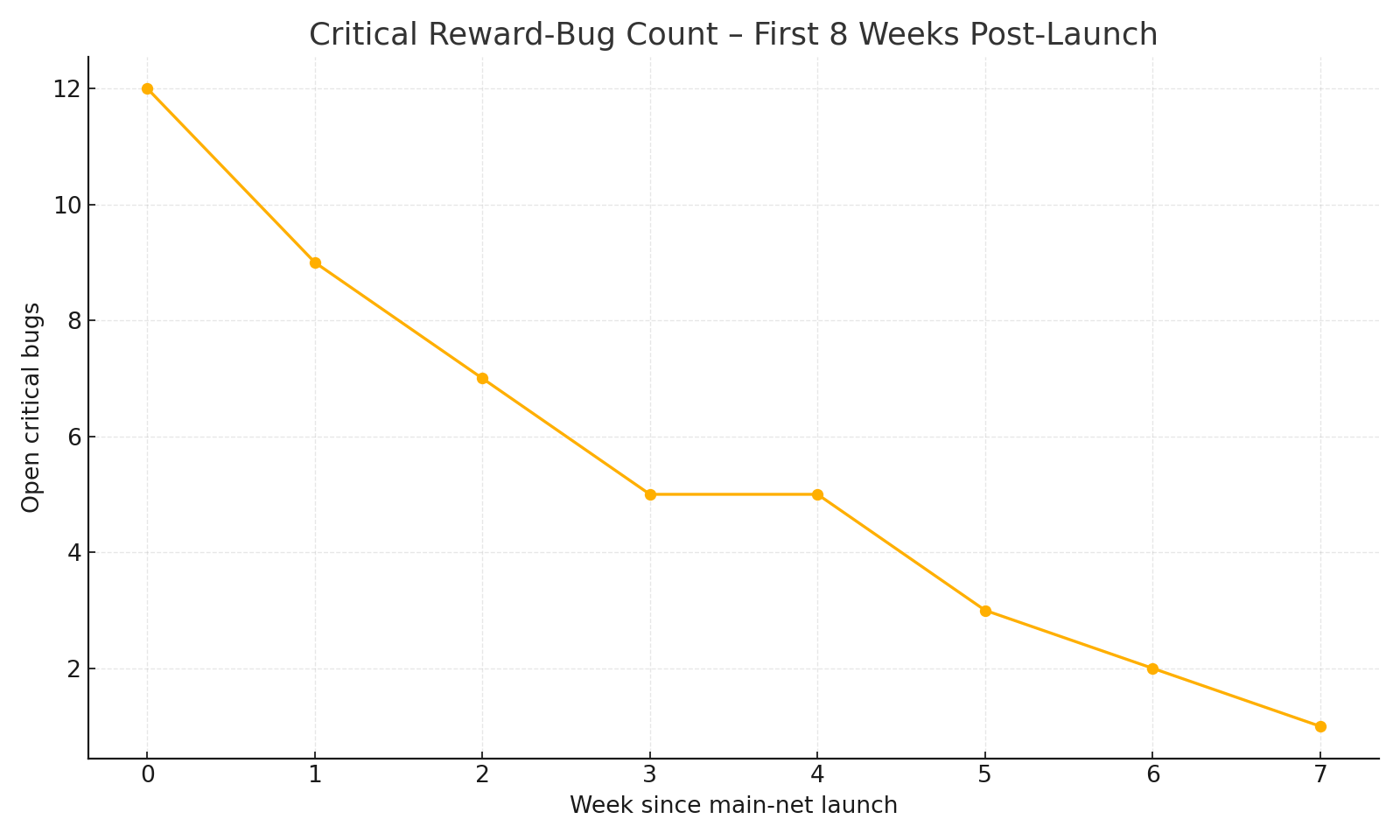
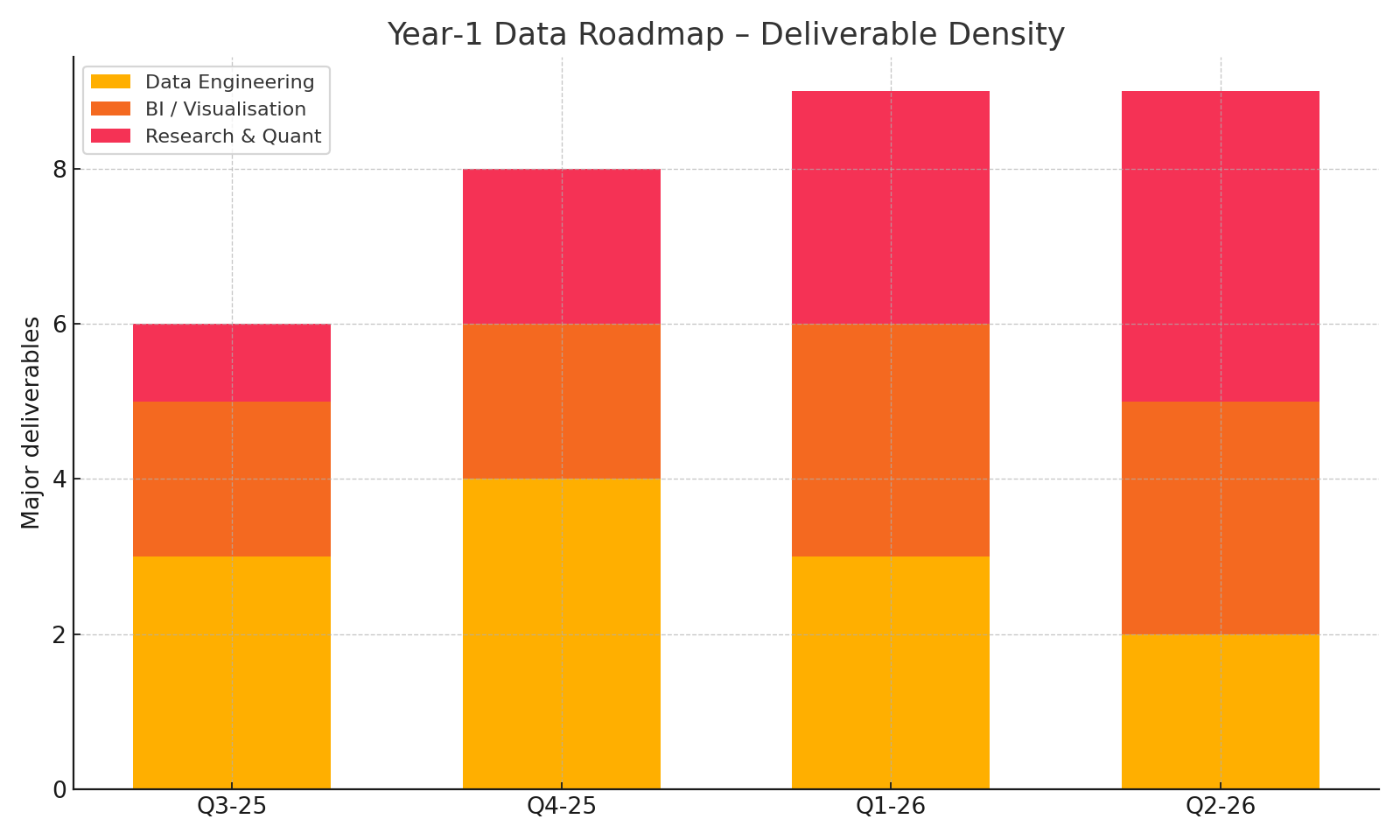
I treated the post-launch period as a diagnostic and roadmap exercise: identify the reward bugs, classify the missing observability, and sequence the first year of data work around the most important blind spots.
- Separate contract bugs from reporting misunderstandings.
- Log the failure modes that need permanent instrumentation.
- Turn the lessons into a staged roadmap instead of an open-ended backlog.
3. Evidence
4. Outcome
The work produced a clearer year-one data roadmap and a more concrete understanding of which reward and reporting issues were transient versus structural.
5. Tech stack
- Launch diagnostics and bug triage workflows
- Roadmapping tied to observability gaps
- Shared analytics views for stakeholder review
6. Useful links
7. Related reading
8. Call to action
If your launch data is telling you something important but the team cannot yet explain it clearly, I can help structure the diagnostics and the year-one roadmap.