1. Problem
The original pain point was not abstract. Small businesses and sole traders around me were still creating invoices manually in docs and spreadsheets because mainstream accounting tools felt heavy and code-based tools were inaccessible.
2. Approach
The product decision was simple: make the common invoicing path fast, local, and installable so users could get value immediately without touching Python.
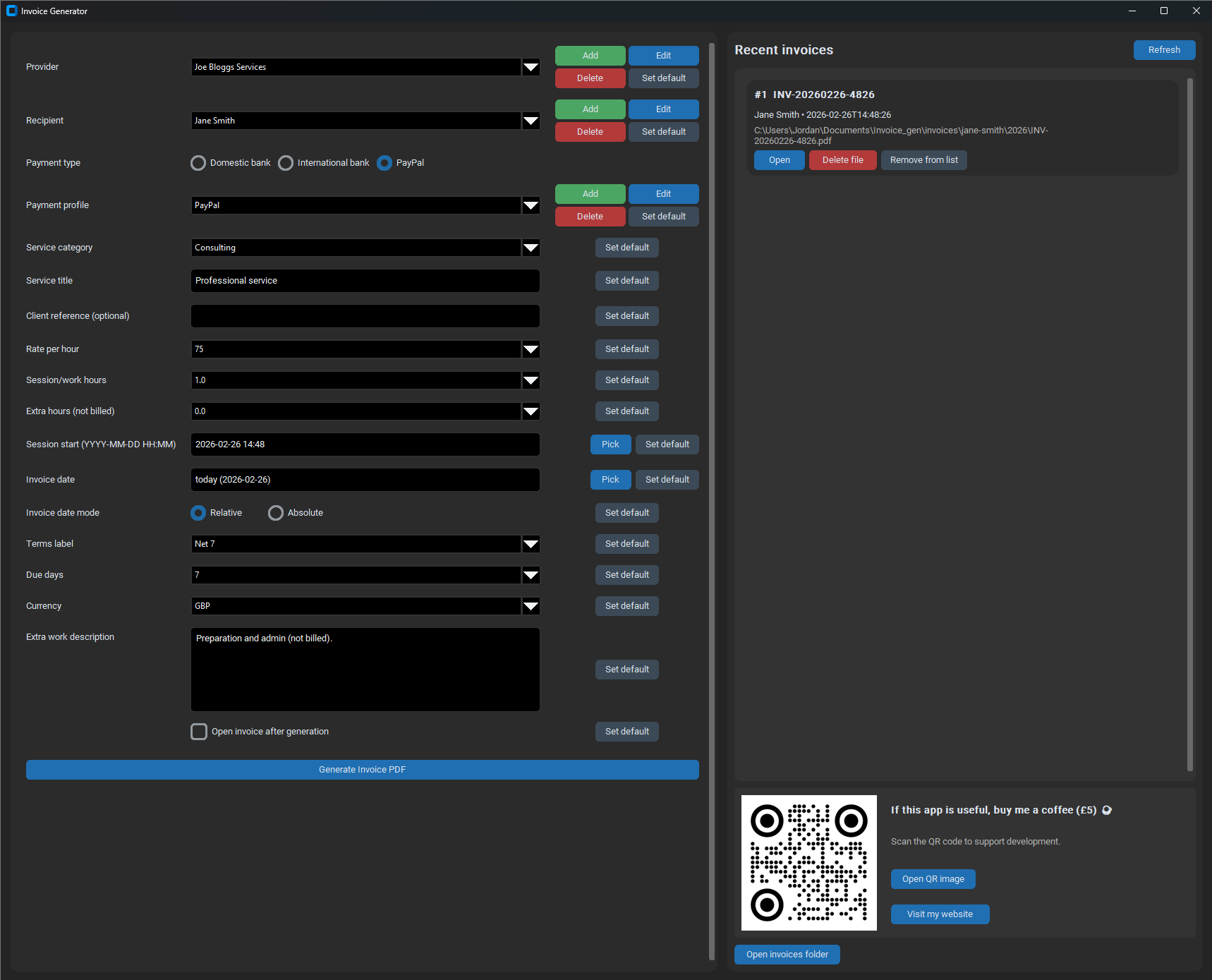
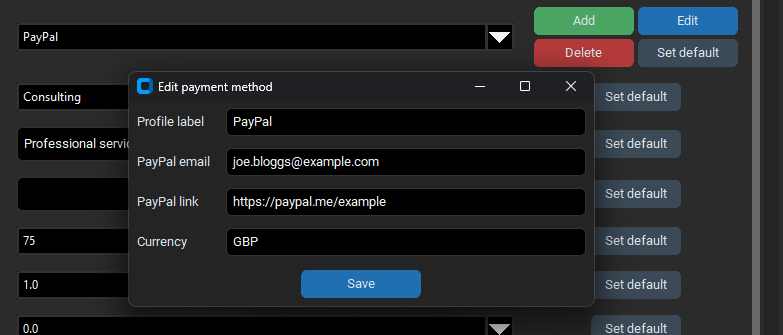
- Reusable business and payment profiles reduce repetitive typing.
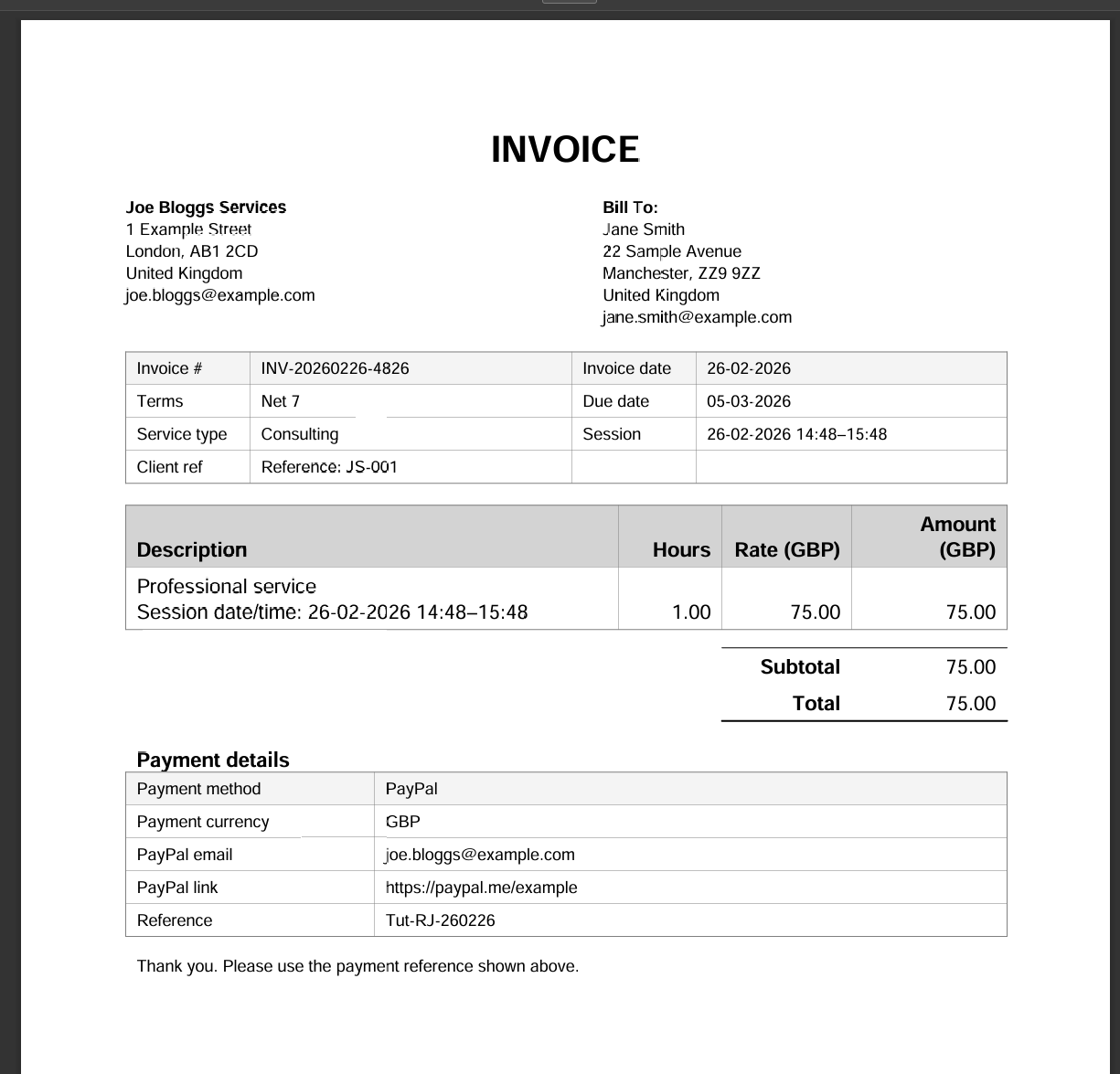
- Structured invoice output keeps the final PDF clean and predictable.
- Desktop packaging matters because installation is part of product trust.
3. Evidence

4. Outcome
The useful signal was repeat behavior: people stopped hand-editing templates every time and started reusing defaults, which is exactly what a practical workflow tool is supposed to unlock.
5. Tech stack
- Desktop application workflow with local persistence
- PDF generation and reusable profile management
- Cross-platform binary packaging and release delivery
6. Useful links
7. Related reading
8. Call to action
Downloads: Windows, macOS, and Linux. If you have a similar workflow gap to productize, I would be happy to help scope it.