1. Problem
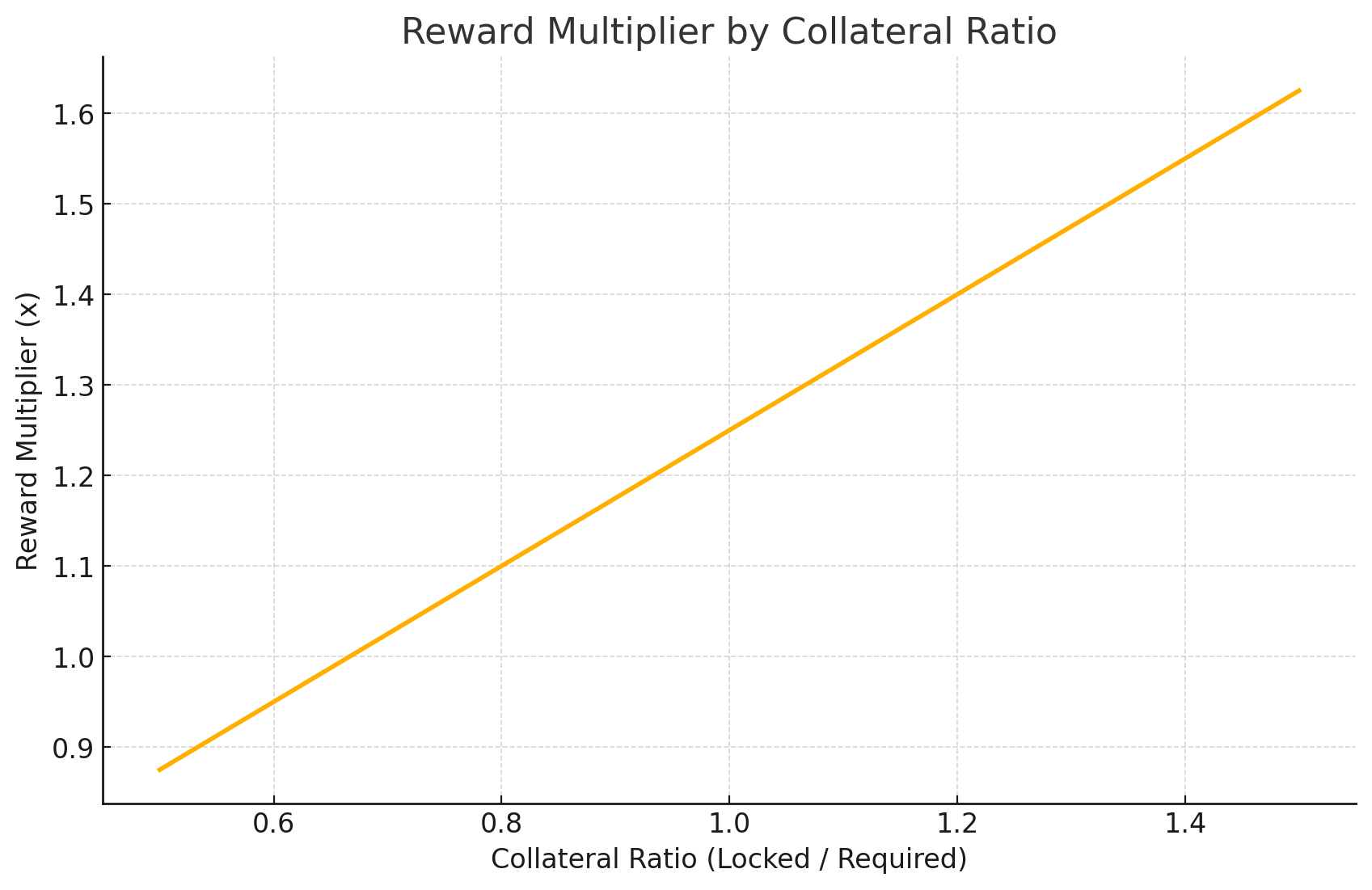
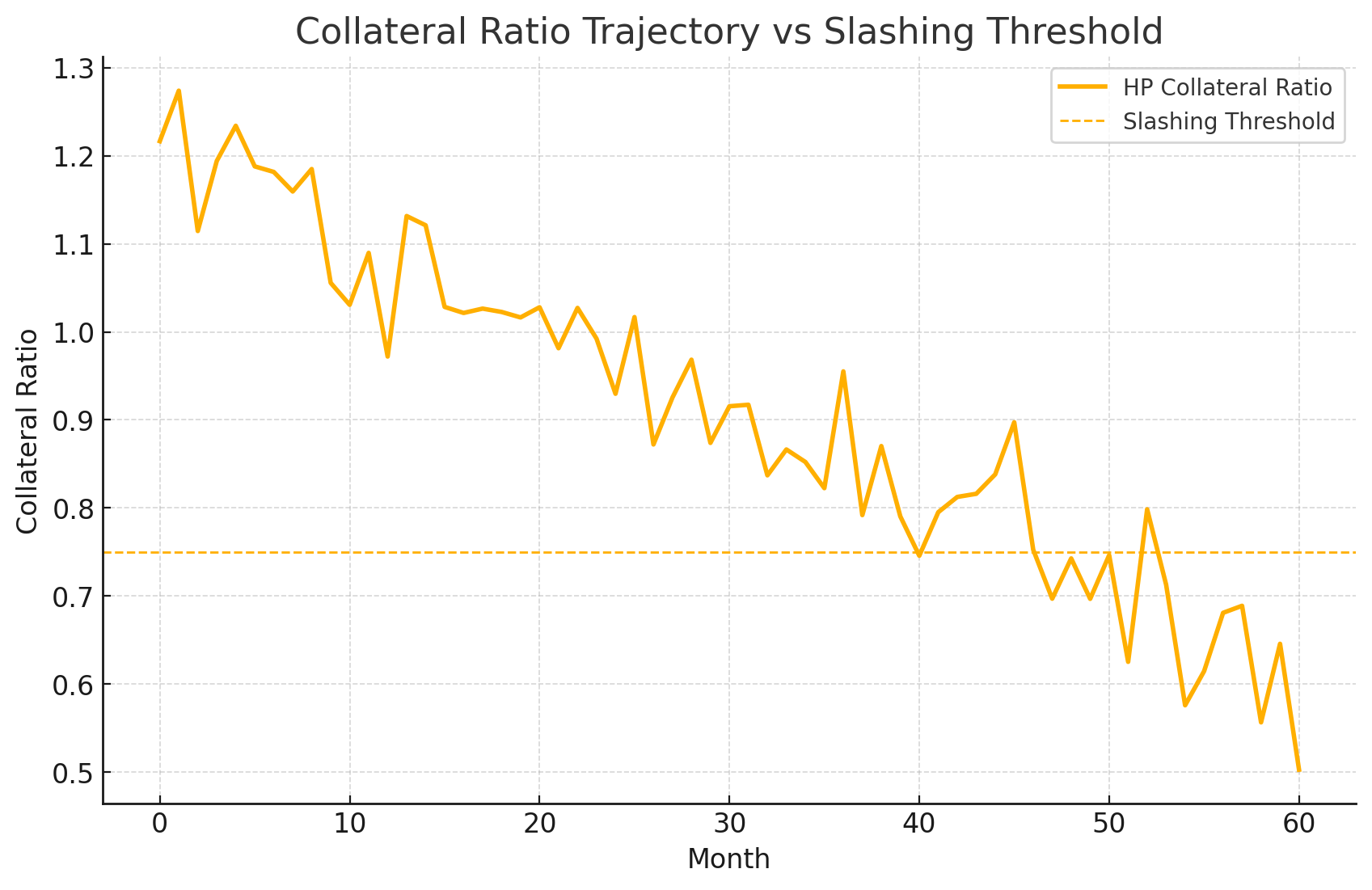
Collateral and rewards were both trying to stabilize the same system, but in different ways. The question was how far each lever could move before it started undermining the other.
2. Approach
I framed the analytics around tradeoffs rather than single metrics. That meant comparing reward attractiveness, safety margins, and system behavior together instead of optimizing one in isolation.
- Track how reward levels change operator behavior.
- Compare those incentives against the stability created by collateral requirements.
- Surface the zones where the design becomes either too fragile or too unattractive.
3. Evidence
4. Outcome
The analysis clarified why collateral and reward policy had to be discussed together. That later connected directly into the stronger Monte Carlo work on collateral safety.
5. Tech stack
- Scenario analytics and simulation outputs
- Comparative visualizations for policy tradeoffs
- Decision-support views for governance and product teams
6. Useful links
7. Related reading
8. Call to action
If your policy or incentive design has interacting levers that are being discussed separately, I can help build the shared analytics surface that keeps the tradeoffs visible.